Chapeaux and Champions – A punter’s guide to the 2026 Prix de Diane Longines

The Prix de Diane Longines, affectionately dubbed the French Oaks, is European flat racing’s ultimate garden party. Set against the breathtaking backdrop of the historic Château de Chantilly this €1,000,000 Group 1 blockbuster is just as famous for its sea of haute couture hats as it is for crowning the continent’s champion three-year-old filly. For punters, navigating the tricky 2,100-metre turf course requires balancing classic form lines against the severe tactical biases of Chantilly’s iconic track.
A century of elegance and greatness
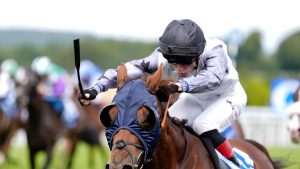
Inaugurated in 1843, the Prix de Diane serves as the French equivalent to England’s Epsom Oaks. However, the Chantilly edition is contested over a slightly shorter, sharper distance. It has long functioned as a launchpad for legendary greatness. Iconic past winners like Treve (2013) used their dynamic turn of foot in the Diane to spark a legendary career that included back-to-back Prix de l’Arc de Triomphe triumphs.In 2022, the ultra-tough Nashwa created history under Hollie Doyle, who became the first female jockey to capture the prestigious classic. More recently, the 2025 renewal saw Gezora showcase brilliant tactical versatility to hold off a fierce challenge from Aidan O’Brien’s Bedtime Story. These iron-willed fillies emphasize that the Diane demands a blend of raw speed, stamina, and impeccable tactical positioning. Also read: The 7 richest horse races on the global calendar
Analyzing the 2026 field
The road to the 2026 French Oaks has been heavily reshaped by France Galop’s overhauled stakes calendar. The deletion of the Prix Pénélope and the shifting of the Prix Finlande to Chantilly have concentrated the elite domestic form. The international contingent features a powerful array of fillies hailing from Ireland and England. As final declarations loom, the market is highlighting several key angles:- The French defence: French trainer Francis-Henri Graffard enters the weekend with tremendous momentum, particularly following his Classic success with Rayif in the Poule d’Essai des Poulains. His local runners have thrived on the reworked preps and must be respected on home turf.
- The British and Irish invaders: Raids from across the English Channel always demand a premium. Keep a close eye on any runners mimicking the profile of Nashwa, utilizing high-cruising speed to neutralize local track advantages.
Strategic betting angles for punters
When building your betting strategy on OLBG or looking over the final field, prioritize these historical and tactical track angles:1. The draw is king
Chantilly’s 2,100-metre start features a notoriously short run into the first bend. Historically, fillies drawn in low barriers (stalls 1 to 5) possess an extraordinary statistical advantage. Those trapped out wide burn critical energy trying to slot into a position, often rendering them spent forces when hitting the final straight.2. Side with course experience
Chantilly is an undulating, unique turf track that does not suit every horse. Give a major weight upgrade to fillies that have already run successfully on the surface, particularly in the recently relocated Prix Finlande.3. Identify the ‘Arc’ pedigree
Look closely at the sire lines. Because the Prix de Diane demands a brutal acceleration at the end of a testing 2,100 metres, look for fillies bred to get the full 12 furlongs. Proven staying lines will thrive if the pace is hot early on.4. Trust the big-race jockeys
This is a high-pressure race often dictated by traffic jams. Look for tactical masters like Christophe Soumillon or Mickael Barzalona, who know exactly when to pull the trigger before the field crowds up at the final turn. Read next: 7 things you never knew about the Kentucky DerbyFollow us on Twitter racing365dotcom and like our Facebook page.
Latest
-
 Horse Racing
Chasing Grade 1 glory – a guide to the 2026 Pennsylvania Derby
The eyes of the global thoroughbred racing...
-
Horse Racing
A quarter-millennium of glory – Why the 250th Betfred St Leger Stakes will be historic
On Saturday, 12 September, the global racing...
-
-
Horse Racing
All you need to know about the Travers Stakes ahead of the 157th running of this legendary race
The 157th Travers Stakes, known as the...
-
Horse Racing
Greatest show on the Knavesmire – a look at the Ebor Festival’s Juddmonte International Stakes
The final weekend of August brings a...
-
Horse Racing
The royal return – A guide to the 167th King’s Plate at Woodbine
Mid-August brings peak excitement for North American...
-
Horse Racing
5 reasons why the weekend’s Whitney Stakes is a punters paradise
The midsummer meet at Saratoga Racecourse reaches...
-
Horse Racing
Speed, style, and strategy – a punter’s preview for the Stewards Cup
The historic Goodwood Racecourse is preparing for...
-
Horse Racing
Ascot’s King George VI and Queen Elizabeth Stakes preview – betting tips and track insights
The midsummer highlight of the British flat...
-
Horse Racing
2026 Juddmonte Irish Oaks preview – Elite fillies chase Classic glory
The fourth Classic of the Irish flat...