What you need to know about the W.S. Cox Plate, including million-dollar bonus factor

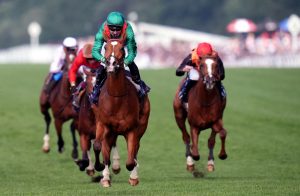
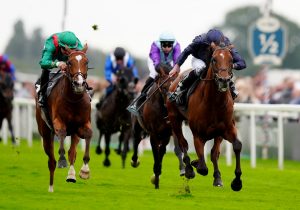
The spring racing carnival is reaching its peak, and all eyes are turning toward the weight for age championship of Australasia. The Group 1 W.S. Cox Plate is renowned for creating legends, and the upcoming edition promises to be one of the most intriguing in memory. Combining top international standard thoroughbreds with tactical intrigue, and a brand new venue, this year introduces massive structural changes that will disrupt traditional form lines. If you are looking ahead to the legendary contest, here are seven crucial angles you need to know before the barriers open.
A century of fantastic history
Inaugurated back in 1922 and named after the visionary William Samuel Cox, this race has spent over a hundred years identifying the ultimate turf champions.Unlike handicap races, the weight for age conditions ensures that the truest and best horse wins without being burdened by artificial weight penalties. From the iconic Phar Lap in the 1930s to the incredible modern four-year dominance of the mighty mare Winx, the honour roll is a literal who is who of racing royalty. Winning a Cox Plate elevates a horse from a mere athlete to an immortal legend of the sport. Also read: Four British-trained horses to watch in the 2026 flat season
The weight of the global calendar
While the Melbourne Cup captures the attention of the public, the Cox Plate is the race the purists, breeders, and trainers covet above all others. It sits as a crown jewel of the Australian spring, yet its influence extends far across the world. International targets like the Japan Cup and major European contests offer automatic ballot exemptions to this race. This global standing ensures that elite international raiders regularly journey south to test their mettle against local champions, making it a critical hub on the worldwide racing circuit.The shift to Flemington
The definitive talking point of the 2026 renewal is the venue. Due to a massive, multi-year redevelopment at its traditional home of Moonee Valley, the race has been relocated to the iconic Flemington Racecourse. This changes everything. Moonee Valley is a tight, turning, rectangular track with a famously short home straight that favours handy, nimble types. Flemington, by contrast, is a wide, sweeping, spacious course with a gruelling straight. This change completely alters the tactical profile of the race, shifting the advantage away from short track specialists toward powerful finishers.The field and key contenders
Defending double champion Via Sistina has already proven her dominance in recent years, but the wide-open spaces of Flemington present a completely fresh challenge for the elite field. Stable connections and rival international syndicates are bringing seasoned stayers to exploit the longer home straight. The field shapes up as a classic battle between tactical speed elements trying to run out the distance and robust, late closing stayers who will relish the spacious venue.Smart betting angles and opportunities
The change of venue creates an unprecedented playground for astute punters. Traditional Moonee Valley form lines should be treated with extreme caution this year. The key betting angle is to identify horses with a proven track record down the Flemington straight or those that have previously been unsuited by tight turns. Look for value in horses that peak at the distance but need room to wind up their sprint, as they will get every opportunity in the spacious new environment.Inside talk from the stables
Whispers from the top stables indicate a mix of nervousness and intense excitement. Trainers who usually skip the race due to their horses hating tight tracks have targeted this edition aggressively. Leading trainers have noted that trackwork times on open expanses are paramount this week. The consensus from trackside clockers is that peak cardiovascular fitness will be tested far more severely this year than in any previous renewal.The million-dollar bonus factor
Adding further spice to the contest is the massive financial incentive structure tied to the event. With millions of dollars in total prize money up for grabs, alongside lucrative bonuses for horses winning specific lead up races, the stakes could not be higher. This ensures that no one is treating this as a warm-up run. Every single jockey will be riding with full aggression, making for a truly spectacular spectacle. Read next: Five JP McManus-owned horses Harry Cobden will be looking forward to riding next seasonFollow us on Twitter racing365dotcom and like our Facebook page.
Latest
-
 Horse Racing
What you need to know about the W.S. Cox Plate, including million-dollar bonus factor
The spring racing carnival is reaching its...
-
Horse Racing
Qatar Racing British Champions Day set to illuminate Ascot as flat racing season ends
The curtain closer of the British Flat...
-
Horse Racing
6 reasons why the Dewhurst Stakes cannot be missed
The definitive crossroad of European flat racing...
-
Horse Racing
All you need to know about the 2026 Prix de l’Arc de Triomphe: favourites, betting angles, and trackside secrets
Europe’s most prestigious middle-distance crown is up...
-
Horse Racing
All out speed in the east – the inside scoop on Japan’s turf dash, the Grade 1 Sprinters Stakes
The global horse racing calendar looks east...
-
Horse Racing
Chasing Grade 1 glory – a guide to the 2026 Pennsylvania Derby
The eyes of the global thoroughbred racing...
-
Horse Racing
A quarter-millennium of glory – Why the 250th Betfred St Leger Stakes will be historic
On Saturday, 12 September, the global racing...
-
-
Horse Racing
All you need to know about the Travers Stakes ahead of the 157th running of this legendary race
The 157th Travers Stakes, known as the...
-
Horse Racing
Greatest show on the Knavesmire – a look at the Ebor Festival’s Juddmonte International Stakes
The final weekend of August brings a...