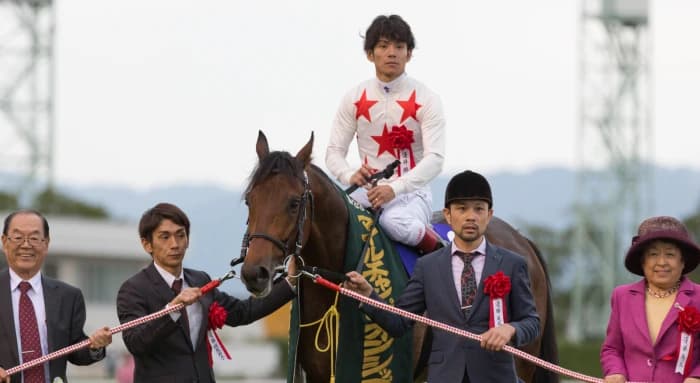



The highly anticipated autumn racing season reaches a spectacular milestone on Sunday as elite fillies and mares gather for the prestigious Queen Elizabeth II Cup.
As the opening leg of the coveted Japan Autumn International Series, this elite International Grade 1 contest brings elite female thoroughbreds into a high-stakes showdown over 2,200 meters.
With massive prize money on the line and a reputation for launching domestic champions onto the global stage, this weekend’s renewal promises plenty of drama.
1. A royal history and golden tradition
Inaugurated in 1976, this historic race commemorates the memorable 1975 official visit of Her Majesty Queen Elizabeth II to Japan.
Originally established as the Victoria Cup for three-year-old fillies, the race evolved significantly over the decades to become an inclusive championship.
The distance was shortened to its current 2,200 meters, and the gates opened to older mares, achieving full International Grade 1 status in 2007.
Legendary international raiders like Snow Fairy captured back-to-back historic victories here under Ryan Moore, cementing the event's global prestige.
2. Launchpad of the global racing calendar
Positioned perfectly in mid-November, the Queen Elizabeth II Cup occupies a vital strategic slot in the international racing hierarchy.
It serves as the official curtain-raiser for Japan’s autumn grand slam, which culminates with the legendary Japan Cup later this month and the Arima Kinen in December.
Success here frequently dictates global targets, with dominant winners regularly receiving invitations or targeting lucrative subsequent prizes at the Hong Kong International Races or the Breeders' Cup in North America.
Also read: What to expect on Champions Stakes Day
3. The majestic Kyoto Racetrack venue
The battle takes place at Kyoto Racecourse, an iconic venue boasting a century of rich racing heritage. Known for its demanding outer turf course, the track presents a distinct tactical test for jockeys.
Runners must handle the infamous backstretch hill, a gradual climb followed by a steep downhill sweep into the final straight.
The racing surface demands tactical versatility, and the outcome often hinges on how well a horse handles the sweeping Kyoto turns and the fast, firm ground.
4. The star-studded 2026 field
The upcoming renewal presents a beautifully balanced field featuring a classic generational clash between classic three-year-olds and seasoned older mares.
Headlining the entries is the brilliant Regaleira, returning to the scene of her spectacular record-shattering feats.
Regaleira faces formidable opposition from elite classic performers Stellenbosch and Erika Express.
The weight-for-age conditions see three-year-olds carrying 54 kilograms while the older mares carry 56 kilograms, creating a fascinating physical matchup that tests raw speed against mature stamina.
5. Betting tips and smart money angles
Historical trends provide invaluable clues for analytical punters looking for an edge. Ritto-trained horses historically dominate this fixture, and four-year-old mares boast the strongest statistical win profile.
A crucial smart-money angle is the notable vulnerability of the first favourite, as the betting market leader frequently struggles to secure victory in this specific race.
Look for versatile mid-pack runners like Paradis Reine or Vermicelles who can sustain a long, lingering run down the Kyoto straight rather than relying on pure early speed.
6. Inside gossip from the stables
Whispers from the training centres indicate distinct stable strategies coming into play.
Trainer Masahiro Takeuchi has openly expressed immense confidence in the veteran Shinryokuka, stating that her entire autumn preparation was tailored exclusively around this target.
Meanwhile, track watchers note that a slow-to-normal early pace is expected. This tactical outlook makes a horse's clean gate manners and relaxed demeanour behind the stalls acritical to avoid traffic trouble when the field hits the downhill bend.
Read next: All you need to know about the Melbourne Cup