

This Sunday, 22 November, the global turf spotlight swings squarely onto Kyoto Racecourse for the 43rd running of the Grade 1 Mile Championship.
With a total purse of ¥390.6 million (roughly US$2.52 million) and a maximum field of 18 elite three-year-olds and up, Japan’s premier autumn 1,600-metre showdown promises blistering early fractions and razor-thin margins.
Here is everything you need to know before the gates crash open.
1. The autumn anchor of the global mile calendar
Inaugurated in 1984, the Mile Championship forms the second half of Japan’s prestigious seasonal mile double alongside June’s Yasuda Kinen.
Internationally, it serves as the decisive stepping stone toward December’s Hong Kong Mile at Sha Tin, routinely attracting top European and Australasian raiders looking to test their speed against Japan’s deep miler division.
2. Kyoto’s infamous downhill slingshot
Contested over Kyoto’s right-handed outer turf course, the race begins in a chute at the second turn before climbing a gentle 3.6-metre rise.
The real drama unfolds rounding the far bend, where runners plunge down a sharp 3.2-metre slope. Horses caught wide on that descent risk losing critical momentum, while patient jockeys hugging the rail know the inside lane famously opens up once the field hits the 403.7-metre homestretch.
Also read: What to expect on Champions Stakes Day
3. A roll call of Japanese icons
Few Japanese races boast a richer honour roll. Legends such as Oguri Cap, Taiki Shuttle, Daiwa Major, and Gran Alegria have all claimed victory here.
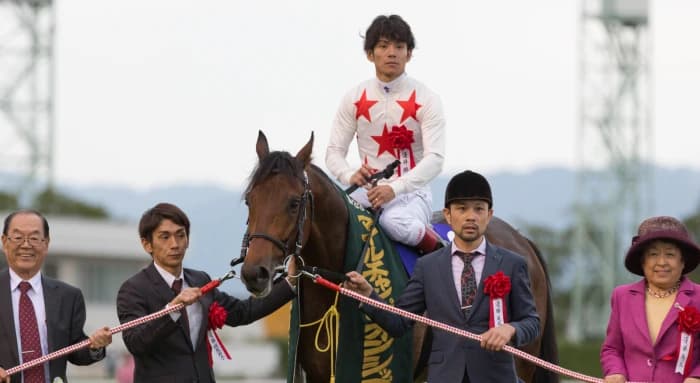
Last year, Jantar Mantar shattered the race record with a dazzling 1:31.3 clocking under Yuga Kawada, becoming just the ninth horse in Japan Racing Association history to sweep both the Yasuda Kinen and the Mile Championship in the same calendar year.
4. A mouthwatering 2026 line-up
Early entries point to a fiercely competitive renewal. Filly Embroidery headlines early projections alongside Rodeo Drive, Admire Zoom, and World's End.
Perennial Grade 1 bridesmaid Gaia Force returns after finishing runner-up twelve months ago, while three-year-old filly Star Anise brings dangerous lightweight appeal at 55 kg against older rivals carrying 58 kg.
5. French raider Erdenali brings international intrigue
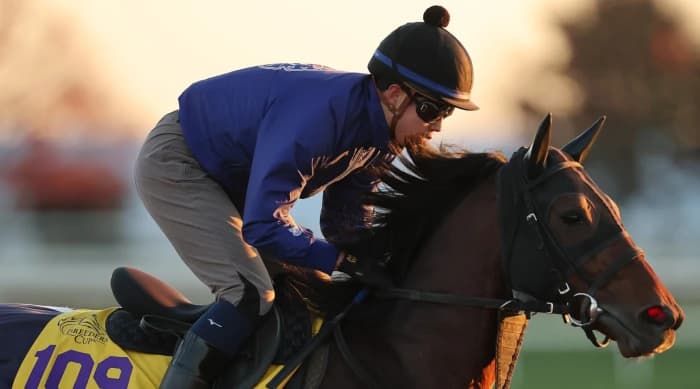
Carrying European hopes is French Group 3 contender Erdenali. After clearing quarantine at the Horse Racing School earlier this week, the gelding arrived at Kyoto’s international stables on Saturday evening.
European challengers face a notoriously steep task on Japan’s firm, lightning-fast turf, yet Erdenali’s presence adds crucial tactical spice.
6. Inside stable gossip
Word from the Kyoto backstretch suggests Erdenali has settled in remarkably well.
Rider Nicolas Larenaudie reported that the gelding handled heavy Saturday transit traffic without turning a hair and moved smoothly during Sunday morning’s right-handed dirt canter, with a sharper turf blowout scheduled for Wednesday.
Among domestic yards, whisperers note that trainer Tomokazu Takano, who captured the 2023 and 2025 editions, has his string peaking right on cue.
7. Where the smart money should go
History heavily favours horses exiting October’s Grade 2 Fuji Stakes or Swan Stakes, as well as runners drawn in middle-to-inner barriers who can save ground down Kyoto’s hill.
Backing Embroidery with top French pilot Christophe Lemaire offers the safest win anchor, while Gaia Force, proven over course and distance, looks tailor-made for quinella and trifecta exotics alongside lightweight improver Star Anise.
Read next: All you need to know about the Melbourne Cup