Why the Nashville Derby is a punters’ paradise

The weekend of 5 and 6 September is traditionally a monumental one for global horse racing, with the international spotlight shining bright on elite battles across the hemisphere. Speed purists are turning their eyes to the UK for the prestigious Betfair Sprint Cup Stakes, while stateside fans track pivotal “Win and You’re In” qualifiers for the Breeders’ Cup Challenge Series. Yet, the absolute biggest financial earthquake of the weekend is happening in Franklin, Kentucky, where the jaw-dropping $3 million Nashville Derby takes centre stage. For punters and racing enthusiasts alike, this event has officially transformed into one of the most lucrative and thrilling betting spectacles on the global calendar.
The meteoric rise of a turf juggernaut
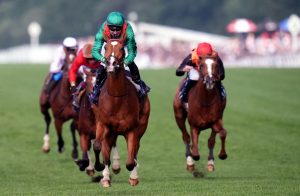
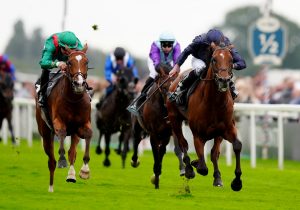
To understand the Nashville Derby, you have to look at its history, or rather, its rapid transformation. Originally launched with a fraction of its current value, the race underwent a massive rebranding and purse injection.Today, it stands proudly as the second-richest race for three-year-olds in the entire United States, eclipsed only by the legendary Kentucky Derby itself. By offering a mind-boggling multi-million-dollar prize pool, Kentucky Downs has successfully managed to lure the absolute best sophomore turf marathoners from across North America and Europe, completely rewriting the late-summer racing landscape. Despite its rise in both profile and purse the race has managed to retain its old-school air. Because there is no traditional permanent stadium seating around the entire course, fans often watch the horses thunder past right against a scenic backdrop of trees and greenery. It gives the event a unique, “old-school country fair meets high-stakes European racing” vibe.
A unique spot on the US racing calendar
Positioned perfectly in early September, the Nashville Derby serves as the ultimate transitional bridge between the prestigious summer meets at Saratoga and Del Mar and the upcoming year-end Breeders’ Cup World Championships. But what truly sets it apart is the venue. Unlike the perfectly symmetrical, flat dirt ovals that dominate most of American racing, Kentucky Downs is a unique, pear-shaped, European-style turf course. It features dramatic, undulating hills, a sweeping right-hand turn, and a brutal uphill stretch run. It forces horses to rely on both stamina and tactical versatility rather than raw, unchecked speed. Also read: Four British-trained horses to watch in the 2026 flat seasonSizing up the 2026 field
The 2026 edition promises to be a fascinating tactical clash over the demanding 1 5/16-mile (2.11km) distance. The field brings together a delicate mix of top-tier American routing speed and rugged European invaders. Keep a very close eye on the horses shipping in from top New York stables, as well as foreign entries bred specifically for longer, undulating courses. Punters should look for sophomores who have already proven they can handle distances beyond a mile and an eighth, as the brutal Kentucky Downs homestretch easily exposes horses who lack true distance pedigree.Hot betting tips and key track angles
When attacking the betting windows for the Nashville Derby, throw traditional American speed figures out the window. The primary betting angle here is “course horses.” Kentucky Downs is a highly specialized track; some horses absolutely thrive on the uneven ground, while others hate it completely. Look for runners who have previously run well at this specific venue, or European imports accustomed to undulating tracks. Furthermore, weight can be an equalizer over this distance. Pay close attention to the jockey changes; trainers heavily target local riders who know exactly when to time their move on this tricky, winding course.Inside punters’ intelligence
Here is the ultimate inside scoop for your exotic bets: monitor the early rail bias. Because the course is only used for a highly exclusive, short boutique meet each year, the turf starts incredibly lush but can wear down unevenly depending on the weather. If the inside rail gets chewed up in the earlier races on the card, horses closing from the outside paths on the final turn will have a massive, distinct advantage. Keep your eyes glued to the track conditions during the undercard, back the true stayers, and enjoy one of the most best betting events of the entire year. Read next: Five JP McManus-owned horses Harry Cobden will be looking forward to riding next seasonFollow us on Twitter racing365dotcom and like our Facebook page.
Latest
-
 Horse Racing
What you need to know about the W.S. Cox Plate, including million-dollar bonus factor
The spring racing carnival is reaching its...
-
Horse Racing
Qatar Racing British Champions Day set to illuminate Ascot as flat racing season ends
The curtain closer of the British Flat...
-
Horse Racing
6 reasons why the Dewhurst Stakes cannot be missed
The definitive crossroad of European flat racing...
-
Horse Racing
All you need to know about the 2026 Prix de l’Arc de Triomphe: favourites, betting angles, and trackside secrets
Europe’s most prestigious middle-distance crown is up...
-
Horse Racing
All out speed in the east – the inside scoop on Japan’s turf dash, the Grade 1 Sprinters Stakes
The global horse racing calendar looks east...
-
Horse Racing
Chasing Grade 1 glory – a guide to the 2026 Pennsylvania Derby
The eyes of the global thoroughbred racing...
-
Horse Racing
A quarter-millennium of glory – Why the 250th Betfred St Leger Stakes will be historic
On Saturday, 12 September, the global racing...
-
-
Horse Racing
All you need to know about the Travers Stakes ahead of the 157th running of this legendary race
The 157th Travers Stakes, known as the...
-
Horse Racing
Greatest show on the Knavesmire – a look at the Ebor Festival’s Juddmonte International Stakes
The final weekend of August brings a...