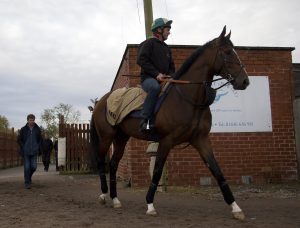
All out speed in the east – the inside scoop on Japan’s turf dash, the Grade 1 Sprinters Stakes

The global horse racing calendar looks east at the end of September as the eyes of the international racing world will shift directly to the Land of the Rising Sun. On Sunday, 27 September, Nakayama Racecourse plays host to the running of the iconic Grade 1 Sprinters Stakes. Offering a staggering prize pool of JPY 369,900,000 (approximately US$2.38 million), this elite 1,200-metre turf sprint is the definitive proving ground for Asian speed. Here is everything you need to know about the premier racing event of the weekend.
A half-century of pure speed
First contested in 1967, the Sprinters Stakes holds a sacred spot in Japanese racing history. Originally placed as a late-December feature, the Japan Racing Association (JRA) smartly shifted the blockbuster event to its late-September slot in 2000. The move turned it into the key opening act for the autumn tier of the JRA Grade 1 season, providing the back-half of the year with explosive momentum.A launchpad of the global calendar
The race does not just matter in Japan; it serves as a critical bridge on the international racing circuit as well. Historically anchoring key events, like the defunct Global Sprint Challenge, it is now a crucial stepping stone. The best sprinters from this race traditionally map out campaigns aiming directly for the prestigious Hong Kong Sprint at Sha Tin in December. Also read: Four British-trained horses to watch in the 2026 flat season
The treacherous Nakayama track
Nakayama Racecourse, located in Chiba Prefecture, is widely regarded as one of the most uniquely demanding tracks in the world. The 1,200-metre course starts on the backstretch with a blistering 200-metre downhill drop into a sweeping, right-handed curve. However, the real sting is in the tail: the home straight is a short 310 metres, punctuated by a notoriously steep uphill rise over the final 200 metres. It requires a horse with both a raw tactical gear and immense stamina to survive the climb.The 2026 field: dominated by domestic stars
While the race has famously crown-jewelled legendary global raiders like Hong Kong’s Silent Witness (2005) and Australia’s Takeover Target (2006), the JRA confirmed that no foreign runners will line up for the 2026 renewal. The logistical hurdle of arriving by 17 September meant international yards skipped the trip, ensuring 2026 will be purely a domestic showdown. A maximum field of 16 runners will stand, featuring high-calibre local speedsters like the blazing Puro Magic.Inside scoop from the stables
With final declarations only due on Thursday, 24 September, Japanese stables have been fine-tuning their champions on the training tracks. Word from the Miho and Ritto training centres suggests the local trainers are taking full advantage of the home turf. Stables targeting the race are focusing heavily on explosive uphill gallops to prepare their runners specifically for that defining final Nakayama incline.Smart money betting tips and angles
When making your selections keep these statistical angles in mind:- The draw myth: While Nakayama generally rewards low barrier numbers, historical JRA data reveals that winners have come from almost every gate (1 to 16) over the last couple of decades, proving it a remarkably level playing field.
- The class factor: Keep a close eye on tactical, proven front-runners who can handle a right-handed track and have previous Group-race placements over 1,200m.
Follow us on Twitter racing365dotcom and like our Facebook page.
Latest
-
 Horse Racing
All you need to know about the 2026 Prix de l’Arc de Triomphe: favourites, betting angles, and trackside secrets
Europe’s most prestigious middle-distance crown is up...
-
Horse Racing
All out speed in the east – the inside scoop on Japan’s turf dash, the Grade 1 Sprinters Stakes
The global horse racing calendar looks east...
-
Horse Racing
Chasing Grade 1 glory – a guide to the 2026 Pennsylvania Derby
The eyes of the global thoroughbred racing...
-
Horse Racing
A quarter-millennium of glory – Why the 250th Betfred St Leger Stakes will be historic
On Saturday, 12 September, the global racing...
-
-
Horse Racing
All you need to know about the Travers Stakes ahead of the 157th running of this legendary race
The 157th Travers Stakes, known as the...
-
Horse Racing
Greatest show on the Knavesmire – a look at the Ebor Festival’s Juddmonte International Stakes
The final weekend of August brings a...
-
Horse Racing
The royal return – A guide to the 167th King’s Plate at Woodbine
Mid-August brings peak excitement for North American...
-
Horse Racing
5 reasons why the weekend’s Whitney Stakes is a punters paradise
The midsummer meet at Saratoga Racecourse reaches...
-
Horse Racing
Speed, style, and strategy – a punter’s preview for the Stewards Cup
The historic Goodwood Racecourse is preparing for...