Jumps racing in Britain to remain suspended until July
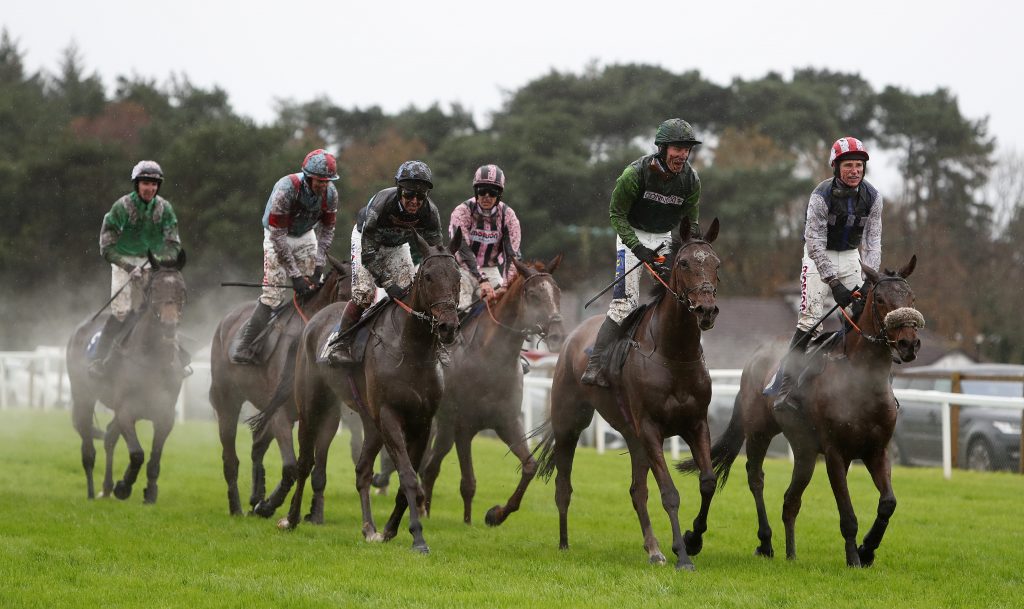
Plans continue to be worked on for possible resumption of Flat racing on May 1.
Jumps racing in Britain will remain on hold until July, the British Horseracing Authority has announced. The decision was made following an initial proposal from the National Trainers Federation, with the aim being to provide clarity to the trainers and owners of jumps horses and to assist them in minimising any unnecessary expenditure. The decision was taken in agreement with the Racehorse Owners Association, Professional Jockeys Association and Racecourse Association. The BHA has already said the Resumption of Racing Group is working on detailed proposals for a resumption of racing from May 1, should that be possible, with fixtures to be held on the Flat and behind closed doors to minimise demands on emergency services. The return to racing is also likely to be phased with a limited number of fixtures in the initial weeks, reflecting the likelihood that any easing of the Covid-19 situation, and any associated restrictions and pressures on medical services, will also happen progressively. With Flat racing usually entering its core season at this time of year, the focus in the early stages of the return to racing will be on providing opportunities to the Flat horse population.A team led by the BHA’s chief regulatory officer, Brant Dunshea, with representatives from across the industry met on Wednesday to review the developing plan for resumption from May 1. The last meetings held in Britain before the shutdown due to the coronavirus pandemic were at Taunton and Wetherby on March 17. Richard Wayman, chief operating officer of the BHA, said: “The decision to lose jump racing until July was not one which was taken lightly and we are very conscious of the impact this will have on many across our sport. “We are working closely with the horsemen, racecourses and Levy Board to ensure the sport is ready for a resumption of racing at the earliest possible opportunity. Our planning is progressing well, and it is important that we keep everybody informed as it develops to help them with their own decision making. “The plan involves a phased return of racing, as well as increasing the jump programme in late summer and early autumn. With that in mind, we wanted to ensure that those who own or train jumps horses have a clear picture of how we are planning to proceed in the coming months. “Additionally, we were keen to minimise the risk of any unnecessary expenditure by confirming that there will be no jump racing before July 1. This will allow horses to have breaks away from training yards if owners wish them to.” Cheltenham Festival-winning trainer Emma Lavelle, who is president of the NTF, said: “Having canvassed the opinion of jump trainers, we felt a break in jump racing until July 1 would bring clarity for owners, trainers and staff, and allow the immediate focus to be on Flat racing which is already losing a major part of its core season. “There was a willingness to engage in constructive conversation amongst the BHA and other stake holders and flexibility to produce a programme that will give plenty of opportunities to the summer jump population later in the year.” Charlie Parker, ROA board member and representative on the Resumption of Racing Group, said: “The decision to delay the resumption of jump racing until July 1 will help bring clarity to those who were looking forward to seeing their horses run over the summer months. “By taking this decision, owners and trainers can now plan with more certainty, albeit with the knowledge that it will be a phased return and therefore opportunities for horses to run will be limited initially. “The ROA will continue to work with the Resumption of Racing Group to ensure that, when feasible, British racing is able to restart a race programme as soon as possible.” Dale Gibson, executive director (Racing) of the PJA, said: “The PJA, having consulted senior jump jockeys and our board via conference call, fully supports the plan for jump racing to return in July. “Any changes to the summer programme present new challenges for everyone involved, especially during these incredibly difficult times. We all need to be willing to adapt and work collectively for the benefit to the sport as a whole. “This includes having an agreed plan for the initial resumption of racing, whenever that may be, as long as we are able to do so safely from both a national perspective and from a participants’ point of view. “We look forward to working closely with other stakeholders in producing a plan to get racing back up and running as soon as possible.”
Follow us on Twitter racing365dotcom and like our Facebook page.
Latest
-
 Horse Racing
A quarter-millennium of glory – Why the 250th Betfred St Leger Stakes will be historic
On Saturday, 12 September, the global racing...
-
-
Horse Racing
All you need to know about the Travers Stakes ahead of the 157th running of this legendary race
The 157th Travers Stakes, known as the...
-
Horse Racing
Greatest show on the Knavesmire – a look at the Ebor Festival’s Juddmonte International Stakes
The final weekend of August brings a...
-
Horse Racing
The royal return – A guide to the 167th King’s Plate at Woodbine
Mid-August brings peak excitement for North American...
-
Horse Racing
5 reasons why the weekend’s Whitney Stakes is a punters paradise
The midsummer meet at Saratoga Racecourse reaches...
-
Horse Racing
Speed, style, and strategy – a punter’s preview for the Stewards Cup
The historic Goodwood Racecourse is preparing for...
-
Horse Racing
Ascot’s King George VI and Queen Elizabeth Stakes preview – betting tips and track insights
The midsummer highlight of the British flat...
-
Horse Racing
2026 Juddmonte Irish Oaks preview – Elite fillies chase Classic glory
The fourth Classic of the Irish flat...
-
Horse Racing
Newmarket July Festival and July Cup – the ultimate guide
The English summer is heating up, and...